Opt forself-consumption with surplus sales
With self-consumption and surplus sale, you prioritize using the electricity you generate and send the surplus to the national grid for everyone to benefit from. A simple and cost-effective solution for businesses, local authorities, and individuals, with a guaranteed 20-year buyback contract.
With self-consumption and surplus sale, you prioritize using the electricity you generate and send the surplus to the national grid for everyone to benefit from. A simple and cost-effective solution for businesses, local authorities, and individuals, with a guaranteed 20-year buyback contract.
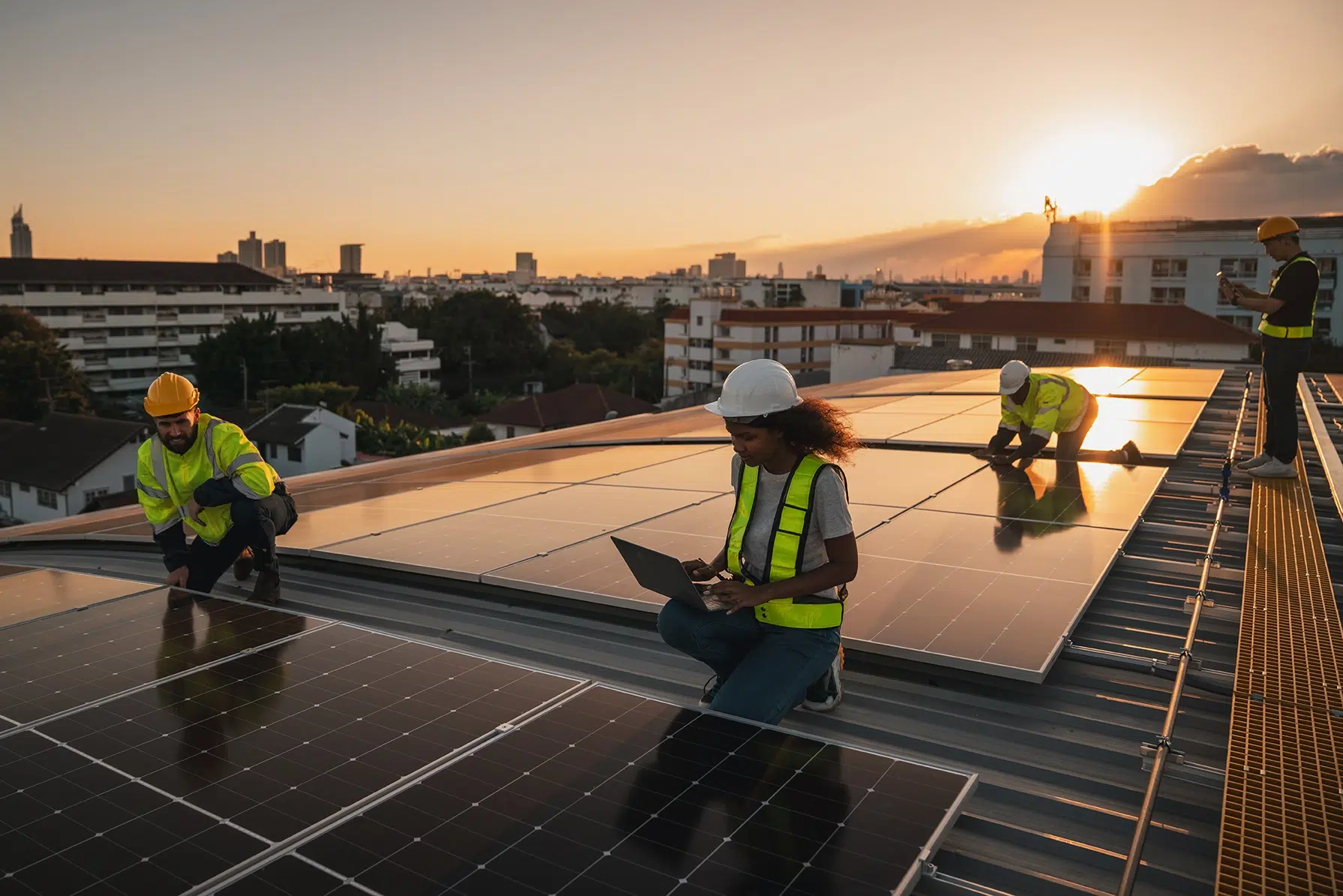
The photovoltaic self-consumption bonus is an investment subsidy offered by the government to individuals and professionals to reduce the cost of installing photovoltaic panels. It is reserved solely for self-consumption with the resale of surplus energy. This subsidy rewards businesses and individuals who produce their own green electricity by paying an amount per kilowatt-peak (kWp).
To benefit from this, you must have a contract with EDF OA or another mandatory buyer to purchase your surplus production.
The premium amounts according to the power of the installation:
≤ 9 kWp
$80/kWp
≤ 36 kWp
€160/kWp
≤ 100 kWp
$80/kWp
Previously paid over five years, the subsidy is now awarded in a single installment in order to immediately reduce the costs of purchasing and installing photovoltaic panels.
photovoltaic purchase tariffs
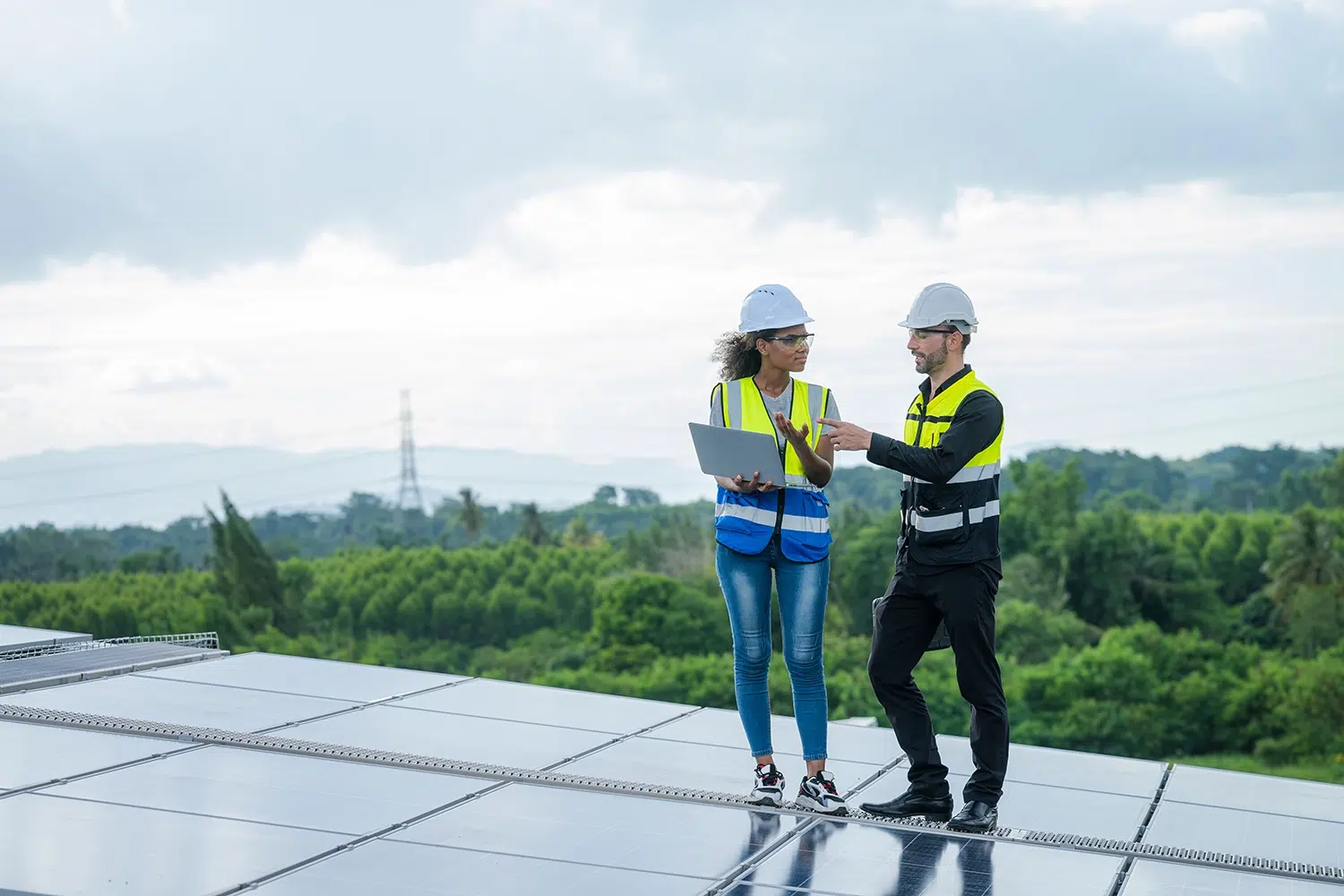
Installing solar panels allows you to generate additional income by selling surplus energy back to the grid under the feed-in tariff scheme. This government-regulated mechanism guarantees you a fixed price for the electricity you feed into the grid for a defined period of time.
| Installation power | Purchase price per kWh in total sales |
| 0–9 kWp | $4.00 |
| > 9–100 kWp | $6.17 |
*Photovoltaic feed-in tariff scale for Q4 2025 – valid until January 1, 2026
Above 100 kWp, the feed-in tariff for the electricity produced is determined following a tender process that AR SERVICES can manage on your behalf.
These high-power installations mainly concern professional structures (companies, farms, local authorities, etc.).
The benefits of self-consumption with surplus sales
Reduce your electricity bills
By consuming your own green electricity, you reduce your dependence on the grid and enjoy a much lower energy bill than with traditional energy-intensive appliances.
Generate additional income
Producing and consuming your own energy protects you from fluctuations in electricity prices while reducing your carbon footprint. Any electricity you do not consume can be sold to EDF OA or another approved operator at a fixed rate for 20 years.
Make your solar energy project profitable
Installing solar panels can reduce your energy costs by up to 60% each year. Plus, selling any extra electricity you generate speeds up the return on your investment in the panels.

The different photovoltaic installations
Photovoltaic roofs
- Schools, administrative buildings, cultural facilities
- Public roofs offer ideal potential for installing photovoltaic panels. By making use of these already available surfaces, the community produces its own green energy while sustainably reducing its energy bill.
Photovoltaic shade structures
- Public parking lots, parking areas, or waiting areas
- These facilities protect vehicles, optimize often unused space, and can incorporate charging stations for electric vehicles.
Ground-mounted solar power plants
- Communal or undeveloped land
- By transforming these unused spaces into energy production areas, the community is taking action for the energy transition while generating new sustainable income for the municipality.
Discover our other production solutions
Everything you need to know about self-consumption with the sale of surplus energy production
What are the requirements for a self-consumption installation with surplus resale?
Self-consumption with the resale of surplus energy is possible under certain conditions.
Firstly, to benefit from the OA (Obligation d'Achat) purchase price, your photovoltaic installation must be installed on the roof. It is also essential to be connected to the electrical grid, as well as your photovoltaic installation. Without a connection, it is not possible to transmit surplus electricity for sale.
Next, to sell electricity, you need to produce a surplus. Since electricity is difficult to store, unless you have solar batteries, it must be consumed at the moment it is produced.
In many households, the electricity generated sometimes exceeds immediate needs: this surplus is then fed into the grid and purchased by EDF OA or another approved operator.
Is the income taxable?
Whether you are taxed depends on the power of your installation.
If your installation is less than 3 kWp, the income is completely tax-exempt for self-consumption with sale of surplus or total sale.
However, if your installation exceeds 3 kWp, your income is considered non-professional industrial and commercial profits (BIC).
If your income is less than or equal to €70,000 per year:
- Fixed tax allowance: €305
- Flat-rate allowance: 71%
- Taxation applies only to the remaining 29% of income.
- Social security contributions of 15.5% if taxable income exceeds €61
How does self-consumption with surplus sales work?
In this model, the electricity generated is primarily consumed on site to power your electrical appliances.
The surplus is automatically fed into the grid and purchased in accordance with the contract signed with EDF OA or another approved operator, generally for a period of 20 years.
How profitable is self-consumption with the sale of surplus energy?
Profitability is based on two factors: savings on your consumption and income generated by the sale of surplus.
The return on investment generally varies between 8 and 12 years, depending on the power of the installation, your consumption profile, and the rate at which you purchase your electricity.
How can I benefit from the self-consumption bonus?
To receive this bonus, you must:
- Install your solar panels on a roof or on parking shade structures.
- Use photovoltaic installations with a capacity of less than 100 kWp.
- Call on a certified RGE professional for installation